Interactive product experiences
Physical meets digital: How trade fair models become interactive product experiences
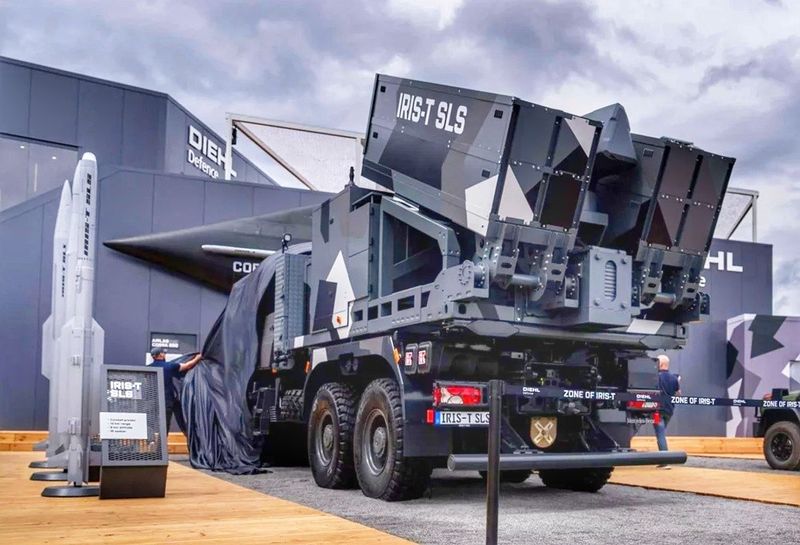
Complex products are not always easy to present at trade fairs. Machines and systems are often too large for the trade fair booth, not yet available as a series product, or technically so complex that their advantages are hardly recognizable from the outside.
A physical trade fair model makes the product visible, tangible, and spatially understandable.
Digital content complements exactly the information that a model alone cannot convey: internal processes, different product variants, movements, process steps, or digital operating functions.
When both levels are considered together from the start, more than just an exhibit is created. An interactive product experience emerges.
The physical model creates access
A high-quality trade fair model attracts attention and creates an immediate reference to the product. Visitors can grasp size ratios, spatially place components, and view technical details from different perspectives.
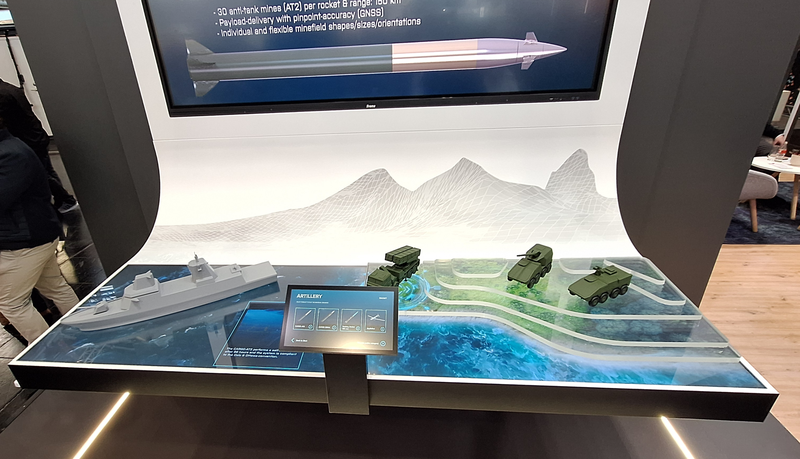
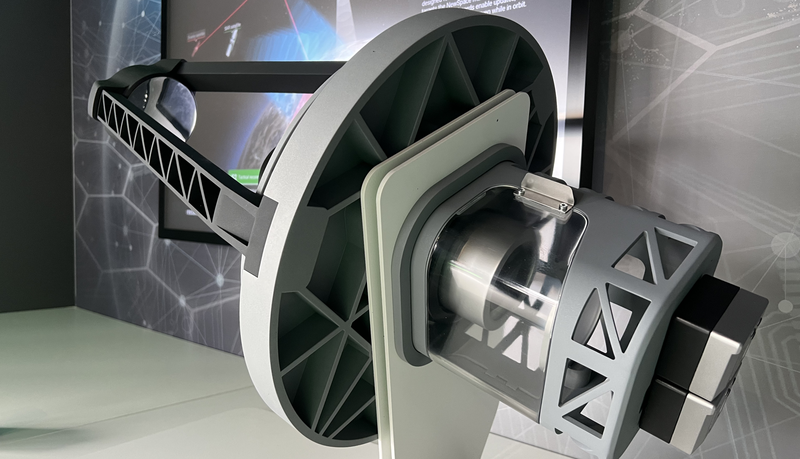
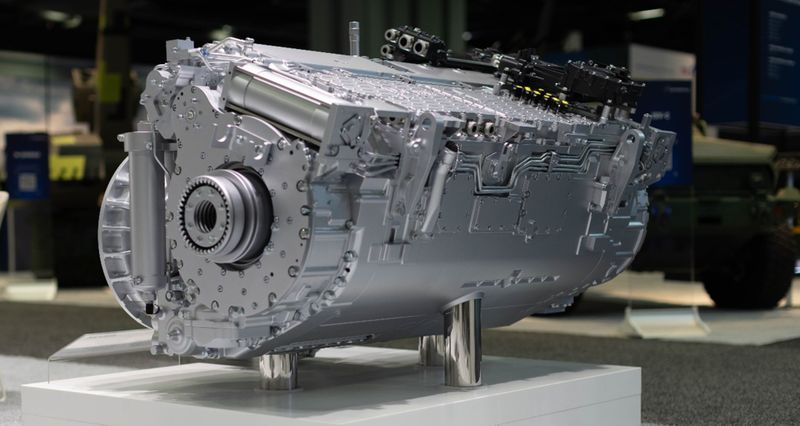
Depending on the objective, a model can be implemented as a detailed representation, a reduced functionality demonstrator, or an interactive exhibit. Mechanical movements, lighting, transparent areas, or specifically highlighted components make visible what is difficult to access on the original product.
Especially for products that require explanation, this results in a clear advantage: the conversation does not start with an abstract description but directly at the model.
Digital content shows what happens inside
While the physical exhibit conveys form, structure, and dimensions, digital content expands the product experience with additional layers of information.
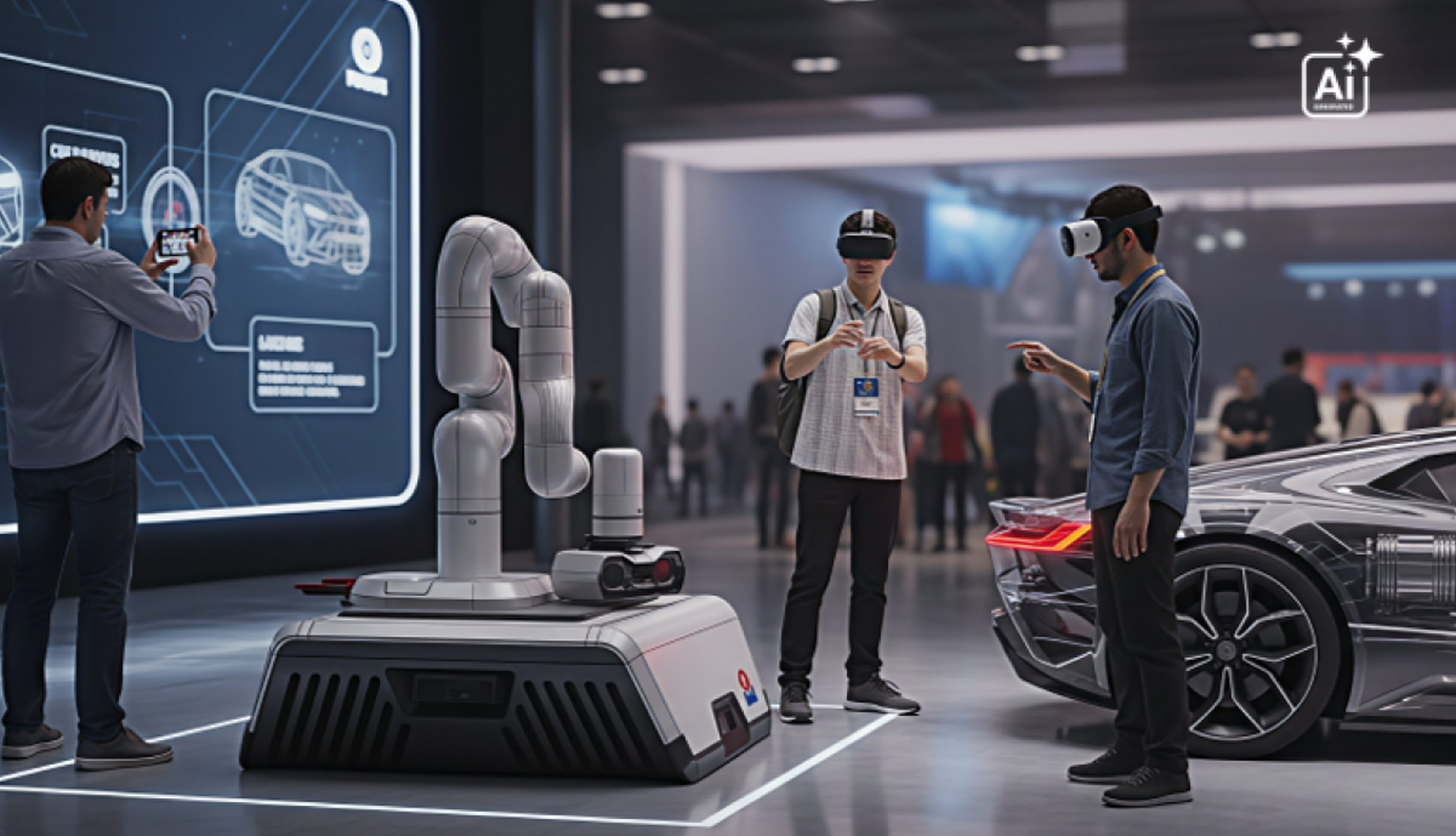
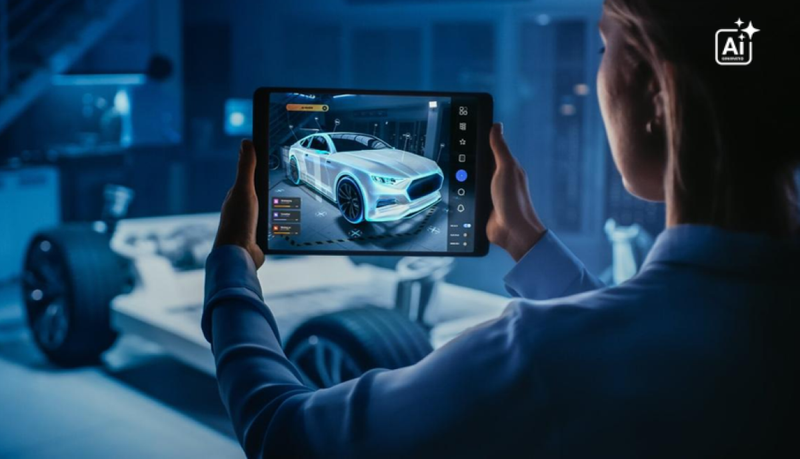
On an integrated display, touchscreen, or tablet, for example:
Technical processes visualized
Components and functions explained
Different product variants presented
HMI interfaces interactively tested
Process data displayed
Use cases compared
Non-visible areas digitally opened
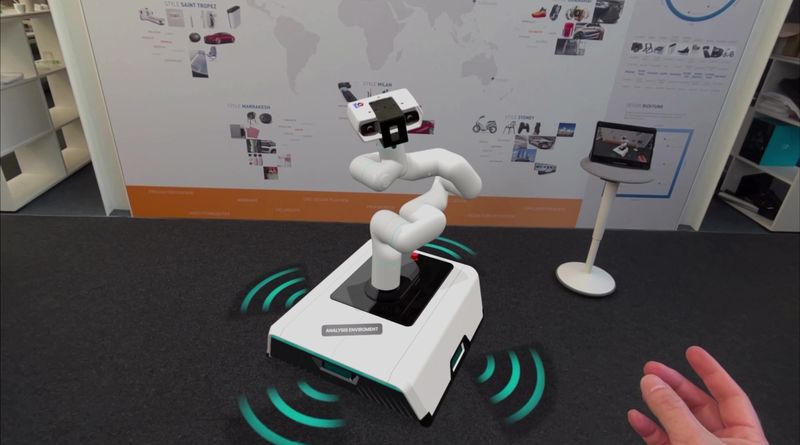
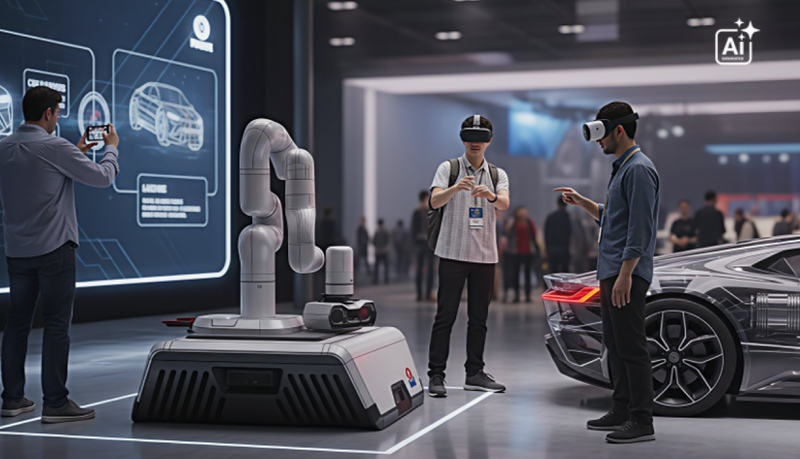
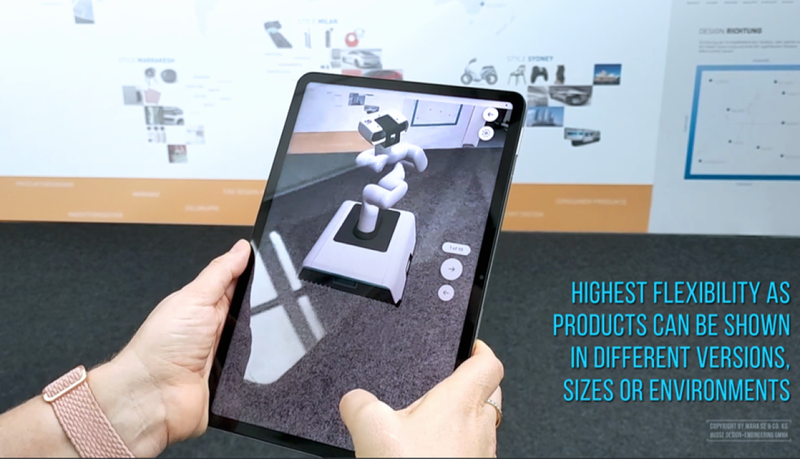
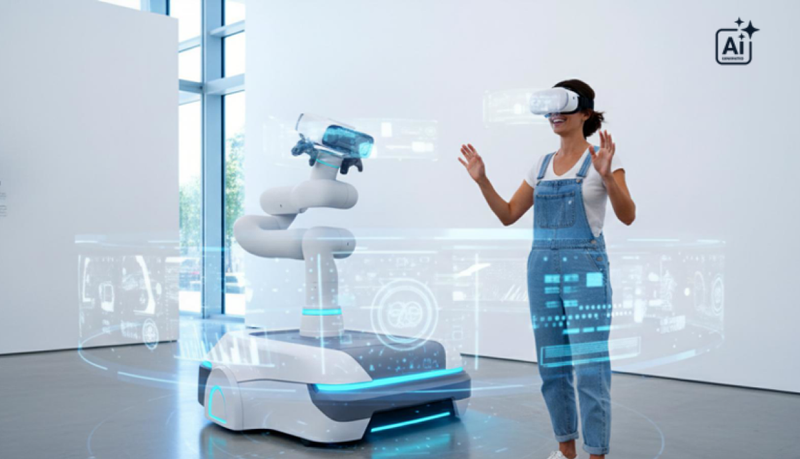
Augmented and virtual reality also offer additional possibilities. A product can be placed in the room at its original scale, viewed from different perspectives, or complemented with animated functional sequences. This is especially useful when a real machine or system cannot be transported to the trade fair booth.


One product, one shared data base
The greatest potential arises when physical models and digital content are not developed separately. Existing CAD and development data can serve as a common foundation. Depending on the application, a physical exhibit, animations, AR models, digital product representations, or interactive applications are created from this.
This not only ensures a consistent appearance. Changes and variations can also be targeted more effectively. Technical content remains comprehensible across different media, and the product experience seems seamless.
More attention is just the beginning
The combination of physical model and digital content supports different phases of a trade fair discussion. The model initially arouses interest and allows for a quick start. Digital content then provides exactly the information that is relevant for the respective target group. While management, for example, receives an overview of benefits and cost-effectiveness, technical contacts can delve deeper into functions, processes, and components.
The exhibit thus becomes a flexible tool for different discussion situations. At the same time, the digital content can be reused after the trade fair, for example in sales, in the showroom, in training, or in technical communication.
Interdisciplinary from idea to implementation
At BUSSE, physical and digital product experiences arise from the interplay of various disciplines. Industrial design, industrial UX & HMI design, engineering, prototyping, and digital development are connected early on.
This allows us to consider a trade fair exhibit not just as a model or screen. We develop a comprehensive experience that fits the product, the brand, and the specific usage situation.
Depending on the requirements, we support among other things in:
The development of the exhibit idea and the content story
The construction and production of physical models
The implementation of functional technology demonstrators
The development of interactive HMI click dummies
The preparation of CAD data
The creation of animations and digital content
As well as CAD-based AR and VR applications.
Our view on modern trade fair exhibits
A physical model makes a product spatially experienceable. Digital content conveys contexts, variants, and functions. Thought together correctly, both levels enhance each other.
This turns a product presentation into an interactive experience that attracts attention, conveys technical content understandably, and supports conversations at the trade fair booth effectively.
For complex products, it is not enough just to show what something looks like. What matters is to make it understandable how it works and what added value it offers.
Our expertise is not only proven by 400+ awards, but also by the enthusiasm of our customers.